6/79 High Street, Queanbeyan NSW 2620

How to Put a Dog Door in a Glass Door (and Why It's a Job for a Glazier, Not a DIYer)
Capital Glass ACT • August 10, 2026
If you've been wondering how to put a dog door in a glass door, chances are you've already found a stack of weekend-warrior tutorials involving a drill, a jigsaw and a lot of confidence. Here's the problem: none of that applies once glass is involved. A doggy door in a timber panel or a flyscreen is a manageable DIY project. A doggy door in a glass door, or a new pet door for a glass window, is a job that needs a licensed glazier from start to finish, and there are good, practical reasons why.
At Capital Glass ACT, we handle pet door installation across Canberra and Queanbeyan, for dog doors and cat door jobs alike, so we see the same questions come up again and again. Below, we've broken down exactly what's involved, why the process looks the way it does, and why this isn't one to tackle yourself.
Why a Doggy Door Isn't a Simple DIY Job
With most materials, fitting a pet door means cutting an opening into the panel you already have. Glass doesn't work that way. Standard glass can't just be cut out in situ and swapped in for a smaller panel with a hole in it. Under Australian Standard AS1288, which governs the use of glass in buildings, any glass door needs safety glass, and safety glass has to be toughened before it's installed. Some installers use the word tempered instead of toughened. They're describing the same process, and either way the finished panel needs to meet the same safety standard.
That single detail changes everything about how the job needs to be approached. Toughened glass, sometimes called tempered glass, is created by heating a glass panel and then rapidly cooling it, a process that leaves the glass under permanent internal stress. Glass thickness also plays a part here, thicker panels are often specified for larger openings or higher-traffic doors, since they hold up better over years of daily use. This is what makes toughened glass up to four to five times stronger than standard glass, and what causes it to break into small, blunt granules rather than sharp shards if it's ever impacted. But it also means the glass cannot be cut, drilled or altered after toughening. If you try, it shatters. There's no cutting a hole into an existing toughened panel once it's been made, full stop.
That's the core reason a doggy door in glass has to go through a professional glazier rather than a hardware-store dog door kit.
What Happens When You Install Pet Doors in Glass
Because the glass can't be modified after the fact, the entire process to install pet doors into glass doors works in reverse compared to timber. Rather than cutting a hole into what's already there, a completely new glass panel is manufactured with the pet door opening pre-cut into it, then toughened, then fitted in place of your existing glass panel.
The Installation Steps
In practice, this looks like:
- A glazier visits your home to measure the door or window, confirm the best location for the opening, and discuss the size and placement of the pet door.
- A new door panel is manufactured off-site, with the opening for the pet door pre-cut to the correct dimensions.
- Once the panel is ready, the old glass is removed and your installer will insert the new panel into the frame in its place.
On-site fitting is usually completed within a matter of hours once the new panel has arrived, though the manufacturing lead time for the panel itself will add to the overall timeline, so a little waiting is generally part of the process. If your home has double-glazed doors or windows, this generally means two separate appointments: one to measure up, and a second to fit the finished panel, since both layers of glass need to be manufactured and fitted correctly.
Sliding Doors and Glass Windows
This same process applies whether the opening is a hinged glass door, a fixed glass window, or a sliding glass door, even in a tight space where every centimetre counts. Pet doors can be installed in sliding glass doors just as readily as hinged ones, provided the panel is replaced properly rather than modified after the fact.
Getting the Measurements Right for Your Pet Door
A pet door that's the wrong size causes problems either way. Too small, and your dog will hesitate or refuse to use it. Too large, and you're left with unnecessary draughts and a bigger gap in your home's insulation than your pet actually needs.
Height and Width
Proper measurements start with two figures: your dog's height, taken from the floor to the top of their shoulders while they're standing naturally on all four legs, and the widest part of their body, generally across the chest or hips. It's worth adding a small margin, around 25 to 50mm, to each figure so your dog can move through freely without squeezing.
Step-Over Height Matters More for Glass
Glass and sliding door installs bring in a third measurement that's easy to overlook: step-over height. Because the frame sits at the base of the opening, you'll also want to measure from the floor to the lowest point of your dog's chest or belly. This tells you how low the bottom of the frame can sit so your dog isn't climbing or ducking to get through, and it matters more here than it does for a standard flap fitted low into a timber panel or wall.
Sizing for Every Breed, and Every Cat
Dog doors can be customised for different pet sizes, from small breeds through to larger dogs, and it's easy to imagine the same principle applying to a cat door, since cats and small dogs are often sized similarly. Whether you've got a medium-sized kelpie or a couple of household cats sharing one opening, the panel can be sized to accommodate them all, and a well-chosen door should fit securely within the glass panel without obstruction once it's installed to suit your household. It's also important that the opening has sufficient clearance from the edges of the glass, both for structural reasons and to keep the panel compliant with safety standards. This is one of the reasons a glazier will generally want accurate measurements, or ideally to see your dog or cat in person, before finalising a quote.
Why Your Existing Glass Door Needs a Full Panel Replacement
No Cutting the Existing Glass
It's worth repeating, because it's the detail most DIY guides skip entirely: your existing glass door cannot simply have a hole cut into it. Once glass has been toughened, and any full-size glass door panel in a modern Australian home needs to meet Grade A safety glass requirements, usually by being toughened, it's locked in structurally. Attempting to cut, drill or grind it afterwards doesn't just risk a poor result, it will almost certainly cause the whole panel to shatter.
A Sturdier, More Secure Result
That's why a full panel replacement, rather than a modification, is the only safe and compliant way to install pet doors into an existing glass door, or a new pet door into a glass window for that matter. The result is a sturdy, secure panel with genuine durability, built to stay durable through years of daily use rather than a patched-together fix. It also means the finished result looks intentional rather than retrofitted, since the opening is built into the glass from the start rather than hacked in after the fact.
Costs, Timeframes and What to Expect
What Affects the Total Cost
Every job is a little different, so installation costs and prices vary based on the size of the door, the pet door model selected, and whether you're working with standard or double-glazed glass. A cat door is often a little cheaper to fit than a large new pet door for a bigger breed, simply because less glass and a smaller opening are involved. A glazier will typically visit to measure and quote before any manufacturing begins, so you know the total cost before you purchase or commit to anything.
Long-Term Value
It's also worth thinking beyond the install itself. Weatherproofing features on a quality pet door help improve your home's energy efficiency, particularly in a climate like Canberra's, where winters are cold and summers can be intense, both outside and through your home's interior. A well-sealed dog door, professionally fitted into toughened glass, shouldn't become a weak point in your home's insulation the way a cheap plastic flap kit often does, which can end up costing you more money in heating and cooling over the door's life. The added convenience for you and your pet is worth factoring in too, it's a small upgrade that pays off every single day.
The Case for Hiring a Glazier
Why Peace of Mind Matters
To put things simply: a professionally installed dog door in glass gives your pet the freedom to enter and exit on their own terms, without turning your home into a safety or insurance risk, and gives you real peace of mind. Professional installation meets Australian safety standards, protects your home's security with proper locking and cover options, and gives you a panel that's built to last rather than pieced together after the fact.
It's easy to see the appeal of a weekend DIY job, particularly if you've already fitted a pet door into a timber panel somewhere else in the house. But glass behaves nothing like timber. A cracked or shattered panel isn't just an inconvenience; it's a genuine safety hazard for both your family and your dog, and it can leave you covering the cost of a full replacement anyway, on top of whatever you spent trying to do it yourself. A licensed glazier carries the right insurance, works to AS1288 as standard practice rather than an afterthought, and knows how to get the sizing and placement right the first time. Can a glazier really make that much difference to the finished result? Absolutely.
If you're weighing up your options for a hinged glass door, a fixed window panel or a sliding glass door, a quick chat with a glazier before you commit to anything is a smart first step. Even if you're still in the planning stage and haven't settled on a dog door model, a measure-up will give you a clearer picture of cost and lead time.
Get in Touch for Professional Pet Door Installation in Canberra
DIY has its place, but glass isn't it. If you're ready to upgrade your existing glass door and give your dog convenient access without compromising the safety of your home, contact the team at Capital Glass ACT, or head to our website to see more of our glass work. We'll measure up, talk through your options, assist with choosing the right pet door model, and handle the entire installation from start to finish, fully compliant with Australian Standards.

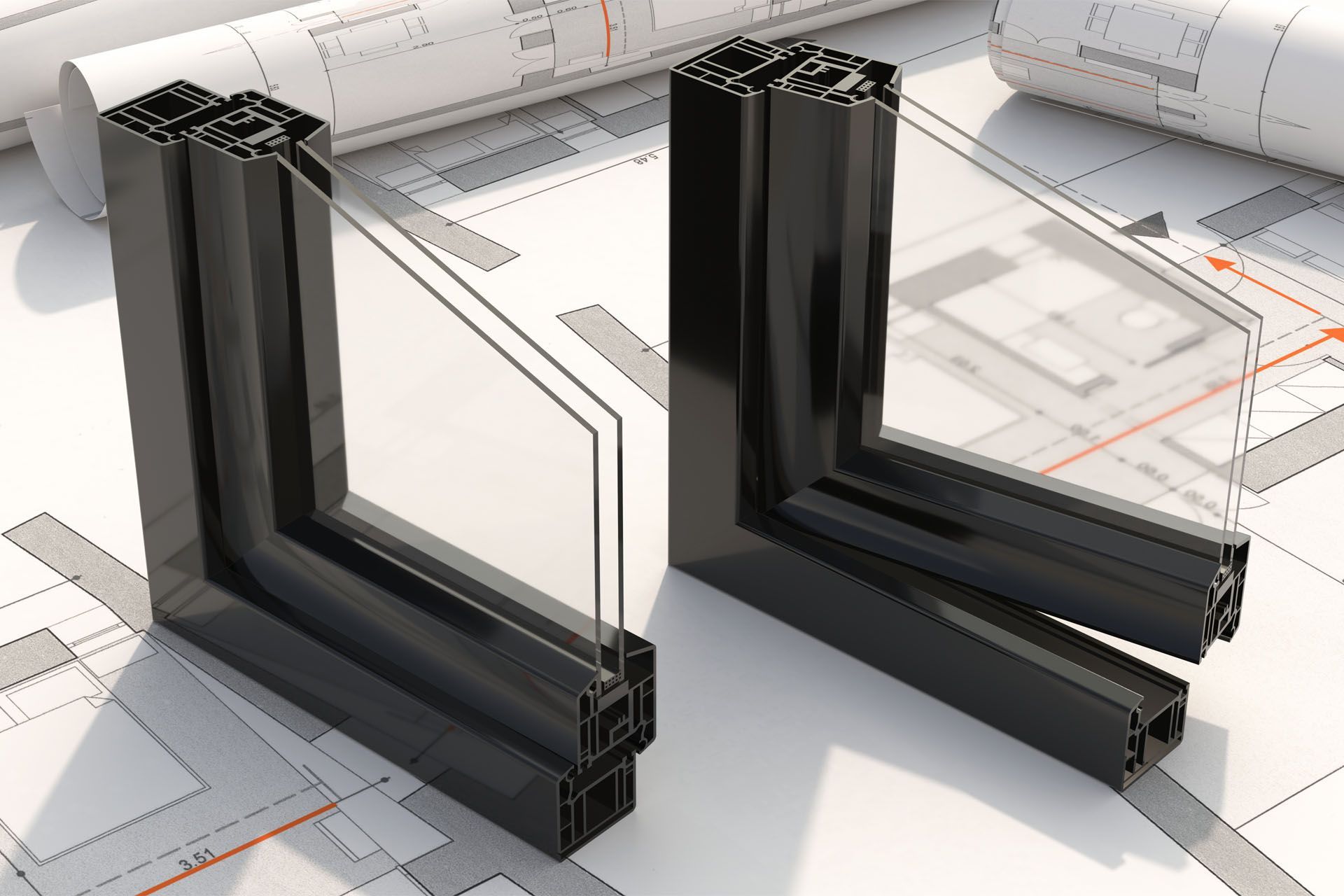
Learn the key differences between double glazing windows and single glazing. Find out which is better in terms of energy efficiency, comfort, cost savings, and overall impact in the long run.
In this blog, Capital Glass ACT shares the best tips and methods for a sparkling, streak-free finish. Get instructions to keep your glass splashback looking new.
Learn what a glazier does, from installing windows and glass doors to customising glass features in homes and commercial buildings. Explore their services, tools, and how to become one.
Why Choose Capital Glass ACT?
With 45 years of combined experience, Capital Glass ACT is a family-owned and operated business known for delivering fair and affordable pricing, reliable, friendly, and punctual service, and custom solutions tailored to every project.